If you're considering hormone pellet therapy in El Paso, you probably want a clear picture of what EvexiPEL pellets are, how they differ from daily pills or creams, and whether they're a fit. This guide covers the basics of the method ADI MedSpa offers for men and women, how insertion works, how long pellets typically last, who may or may not be a candidate, and the risks to review first. EvexiPEL and other compounded bioidentical hormone pellets are not FDA-approved. A provider decides candidacy after labs, and results vary.
What hormone pellet therapy is — and how EvexiPEL compares with pills or creams
Hormone pellet therapy places a small pellet of hormone just under the skin, where it dissolves over several months. EvexiPEL is the pellet method ADI MedSpa offers for men and women in El Paso. Unlike a daily pill or cream, you don't dose it each day, and the dose is not easy to change once a pellet is in.
EvexiPEL is the bioidentical hormone pellet method from Evexias Health Solutions, and it sits within ADI MedSpa's wellness and longevity care. ADI describes the pellets as derived from plant sources and structurally identical to hormones your body makes. "Bioidentical" describes chemical structure. It is not a safety claim, and it does not mean a product is FDA-approved or gentler than an approved hormone therapy. Some FDA-approved medicines are also bioidentical. EvexiPEL pellets are compounded — prepared by a compounding pharmacy for an individual prescription.
The hormone in a pellet depends on what your physician prescribes after labs and may include estradiol or testosterone. If you have a uterus and systemic estrogen is being considered, your provider will discuss whether a progestogen, such as progesterone, is needed to protect the uterine lining. ADI's public pages don't outline a single progesterone protocol, so that decision belongs in your consult.
People often come in with fatigue, brain fog, low libido, midsection weight gain, hot flashes, night sweats, mood changes, poor sleep, muscle loss, or joint pain. Those symptoms have many possible causes and are a reason to be evaluated, not a promise that pellets will resolve them.
How a pellet is inserted, and whether it can be removed
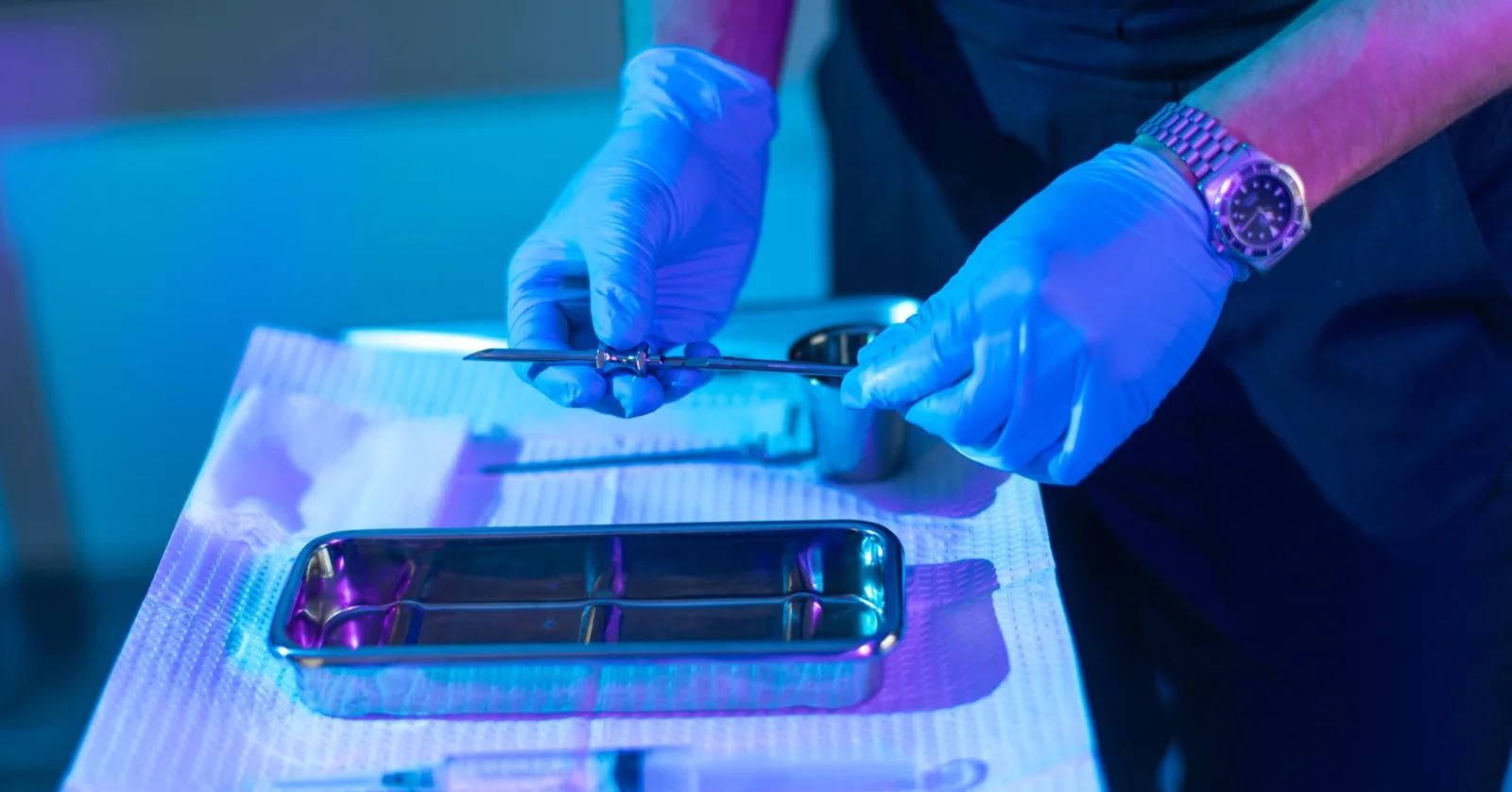
ADI MedSpa describes a short in-office insertion: a rice-sized pellet is placed under the skin of the upper buttock through a tiny incision, then covered with a bandage — no stitches. EvexiPEL notes the area is usually numbed first. Insertion can still cause pain, bruising, bleeding, infection, or extrusion, and pellets are not readily removable.
On ADI's EvexiPEL page, the procedure takes about five minutes. Even with numbing, some discomfort is possible during or after the visit. Pellets are designed to dissolve over time, so the dose cannot be turned down or stopped the way a pill, cream, patch, or injection often can. Another procedure may be needed if the dose doesn't agree with you, and it still may not fully reverse what's already been released.
Contact the practice promptly if the insertion site looks infected, drains, or a pellet comes out.
How long pellets last, and why labs come before and after
For women, EvexiPEL pellets typically last three to five months. For men, they typically last five to six months. Metabolism and activity can change that timing. At ADI MedSpa, a comprehensive hormone panel comes first, Dr. Farooque Ahmed, MD, reviews every panel personally, and labs and symptoms are checked again at later insertions. Results vary.
Those ranges come from ADI's EvexiPEL FAQ and from EvexiPEL's own women's and men's FAQs. They are typical windows, not a guarantee. Your interval is set by how you feel and what follow-up labs show.
Labs matter because symptoms overlap with other conditions, and a dose shouldn't be guessed. Dr. Ahmed reviews every hormone panel, along with your medical history and any contraindications, before therapy starts. Follow-up labs help the team see how you're responding; they do not make an already-placed pellet easy to adjust. ADI's EvexiPEL page notes that many patients notice a change within two to four weeks. That is a typical-timing note, not a promise. Some people notice a shift sooner or later; some do not get the benefit they hoped for. There is no guaranteed improvement in energy, weight, mood, sleep, or libido.
Are EvexiPEL pellets FDA-approved?
No. EvexiPEL pellets are compounded bioidentical hormone products, and compounded drugs are not FDA-approved. The FDA does not review them in advance for safety, effectiveness, or quality. "Bioidentical" is not a safety claim. When a suitable FDA-approved hormone therapy exists, professional groups generally prefer that option, and alternatives should be part of your consult.
The FDA is clear that compounded drugs can matter for some patients, but they do not go through the same premarket review as approved medicines. EvexiPEL states the same point on its site. A 2020 National Academies (NASEM) report, requested by the FDA, found a lack of rigorous clinical evidence for compounded bioidentical hormone therapy and cautioned against claims that these products are safer or more effective because they are described as natural or bioidentical. The American College of Obstetricians and Gynecologists (ACOG) advises that compounded bioidentical menopausal hormone therapy should not be prescribed routinely when FDA-approved formulations exist, and that FDA-approved menopausal hormone therapy is generally preferred when a suitable approved option is available. The Endocrine Society has also said there is no evidence-based medical need for compounded hormone therapy when an approved preparation is available. A consult should still cover benefits, risks, uncertainties, and those alternatives before anyone places a pellet.
Who may be a candidate — and who may not
A provider decides whether pellets are appropriate only after reviewing your medical history, symptoms, and labs — not from symptoms alone. Hormone therapy is not right for everyone. A history of certain cancers, unexplained bleeding, blood clots, cardiovascular or liver disease, pregnancy, or plans to conceive can make it inappropriate. Your physician will review contraindications with you.
ADI offers EvexiPEL for both men and women, with dosing tailored to labs and symptoms after that review. Wanting more energy or a change in weight is not, by itself, a reason to start pellets. Conditions that often mean systemic hormone therapy should not be used, or should be used only with unusual caution, include a history of breast or other hormone-sensitive cancer, unexplained vaginal bleeding, blood clots, heart disease or stroke, and liver disease. Pregnancy is a contraindication, and fertility plans matter too: testosterone can reduce sperm production in men, and hormone therapy is not appropriate if you are pregnant or trying to conceive. This is not a complete list.
If testosterone is being considered for a woman, it is worth an especially careful conversation. There is no FDA-approved testosterone product for menopausal symptoms. ACOG recommends delivery methods other than pellets for testosterone in women because of limited safety data and the difficulty of reversing treatment once a pellet is in.
Risks and side effects to talk through first
Pellets carry two kinds of risk: problems at the insertion site, and the effects of the hormone itself. Site problems can include pain, bruising, bleeding, infection, and pellet extrusion. Hormone-related effects vary by hormone and dose, and some can be serious. Because the dose is hard to reverse after insertion, those risks are important to discuss before you start.
For estrogen, or menopausal hormone therapy more broadly, Mayo Clinic notes that therapy may increase the risk of heart disease, stroke, blood clots, breast cancer, gallbladder disease, and endometrial cancer. Individual risk depends on your age, the hormone and dose, how it's delivered, how long it's used, and your health history. If you have a uterus, taking estrogen without a progestogen can thicken the uterine lining and raise the risk of endometrial cancer.
For testosterone in men, Mayo Clinic lists possible effects that include worsening sleep apnea, acne or other skin reactions, stimulation of prostate growth or growth of existing prostate cancer, breast enlargement, reduced sperm production or testicular shrinkage, and too many red blood cells, which can raise clot risk. Testosterone is not an anti-aging treatment.
For testosterone in women, androgenic effects can include acne, increased facial or body hair, menstrual changes, and, less often, voice deepening or other virilizing effects that may be hard to reverse. Compounded pellets do not have the same evidence base as FDA-approved hormone therapies, and no one can honestly guarantee how you will feel.
What happens at a complimentary consultation
Your first visit is a complimentary consultation with a provider at ADI MedSpa in El Paso. You'll talk through your goals and health history, hear what pellets can and cannot do, and review risks and alternatives, including FDA-approved options when those may be suitable. If labs are appropriate, a plan is considered only after a physician reviews them.
Treatments are delivered by nurse practitioners under Dr. Ahmed's direction. You can meet the team on our staff page. Expect a private room, an unhurried visit, and no pressure to start anything the same day.
Evexias nutraceuticals may be suggested as a complement to a broader wellness plan; they are not standalone hormone replacement. IV therapy is a separate hydration and nutrient service, not a treatment for hormone deficiency.
Ready when you are: book your complimentary consultation online or call (915) 474-3239. ADI MedSpa is at 11331 James Watt Rd, Bldg. 100, El Paso, TX 79936, and sees patients Monday–Friday, 8 a.m. to 5 p.m.
Frequently asked questions
What is hormone pellet therapy, and how is EvexiPEL different from daily pills or creams?
A small pellet is placed under the skin and releases hormone over several months. EvexiPEL is the method ADI MedSpa offers for men and women. You don't dose it each day, the dose is not easy to change once it is in, and the pellets are compounded — not FDA-approved.
How long do pellets last for women and for men?
Typically three to five months for women and five to six months for men, according to ADI and EvexiPEL. Metabolism and activity can change that. Labs and symptoms, not a fixed calendar alone, set your interval.
How is a pellet inserted, and does it hurt?
A rice-sized pellet is placed under the skin of the upper buttock through a tiny incision, usually after numbing, then covered with a bandage. The visit takes about five minutes. Some discomfort is still possible, and pain, bruising, bleeding, infection, or extrusion can occur.
Can pellets be removed or the dose changed once they are in?
Generally, no — not readily. Pellets dissolve over time, so the dose cannot simply be stopped or lowered the way a pill, cream, patch, or injection often can. Discuss that limited reversibility before insertion.
Are EvexiPEL / “bioidentical” pellets FDA-approved?
No. Compounded drugs are not FDA-approved, and the FDA does not review them for safety, effectiveness, or quality before marketing. "Bioidentical" describes chemical structure; it is not a safety claim. When a suitable FDA-approved hormone therapy exists, ACOG generally prefers that option.
What side effects can men and women have?
Site effects can include pain, bruising, bleeding, infection, and extrusion. Hormone effects depend on the hormone and dose and can include clot, stroke, heart, and cancer risks with estrogen; prostate, fertility, and red-blood-cell effects with testosterone in men; and acne, added hair growth, or hard-to-reverse voice changes with testosterone in women.
Who is not a candidate?
A physician decides after labs and a review of your history. Hormone therapy may be inappropriate if you have a history of certain cancers, unexplained bleeding, blood clots, cardiovascular or liver disease, or if you are pregnant or planning a pregnancy. This is not a complete list.
How soon might someone notice a change, and why are labs required before and after?
ADI notes that many patients notice a change within two to four weeks, but results vary and some people do not get the intended benefit. There is no guaranteed improvement in energy, weight, mood, or libido. Labs come first, and again later; they do not make an inserted pellet easy to adjust.
Ready to talk through your goals? Book a complimentary consultation with our physician-led team in El Paso, or call (915) 474-3239.
This guide is general information, not medical advice. Talk with a qualified provider about your health history and goals before starting any treatment.
Sources
- https://adimedspa.com/evexipel/ — EvexiPEL for men and women; plant-derived bioidentical pellets under the skin; consistent dose vs. daily pills or creams; comprehensive panel; Dr. Ahmed reviews labs and designs the dose; typical duration 3–5 months for women and 5–6 months for men; about a five-minute, rice-sized upper-buttock insertion with no stitches; typical-timing note of a change within 2–4 weeks.
- https://adimedspa.com/wellness-and-longevity/, https://adimedspa.com/evexias/, https://adimedspa.com/staff/, https://adimedspa.com/iv-nad-therapy/ — physician-directed wellness context; Evexias as the platform behind EvexiPEL; nutraceuticals are companions, not standalone hormone replacement; Dr. Farooque Ahmed, MD, Internal Medicine, Medical Director, reviews every hormone panel; complimentary consult, phone, address, and hours; IV therapy is a separate hydration and nutrient service, not a treatment for hormone deficiency.
- https://www.evexipel.com/women/hormone-optimization-faqs/, https://www.evexipel.com/men/hormone-optimization-faqs/ — duration of 3–5 months for women and 5–6 months for men, depending on metabolism and activity; insertion area usually numbed, typically the upper hip or buttock; compounded products are not FDA-approved and are not evaluated by the FDA for safety, effectiveness, or quality.
- https://www.fda.gov/drugs/human-drug-compounding/consumer-and-health-care-professional-information, https://www.fda.gov/consumers/consumer-updates/it-really-fda-approved — compounded drugs are not FDA-approved and are not reviewed before marketing for safety or effectiveness.
- https://www.fda.gov/drugs/human-drug-compounding/national-academies-science-engineering-and-medicine-nasem-study-clinical-utility-treating-patients — 2020 NASEM report: lack of rigorous evidence for compounded bioidentical hormone therapy; caution about “natural,” safer, or more effective claims.
- https://www.acog.org/clinical/guidance/clinical-consensus/2023/11/compounded-bioidentical-menopausal-hormone-therapy/ — ACOG Clinical Consensus No. 6: FDA-approved menopausal hormone therapy is recommended when a suitable approved option exists; “bioidentical” is not a safety claim; no FDA-approved testosterone for menopausal symptoms; other delivery methods are preferred for testosterone in women because of limited safety data and the inability to remove the pellet.
- https://www.endocrine.org/advocacy/position-statements/compounded-bioidentical-hormone-therapy — cBHT has not been shown to be safer; estrogen plus a progestogen for women with a uterus; no evidence-based need for compounded hormone therapy when an FDA-approved preparation is available.
- https://www.mayoclinic.org/diseases-conditions/menopause/in-depth/hormone-therapy/art-20046372, https://www.mayoclinic.org/drugs-supplements/conjugated-estrogens-oral-route/description/drg-20075319, https://www.mayoclinic.org/healthy-lifestyle/sexual-health/in-depth/testosterone-therapy/art-20045728 — menopause hormone therapy risks and candidacy factors; progestogen with systemic estrogen if you have a uterus; testosterone effects in men, including fertility; testosterone is not an anti-aging treatment.
- https://dailymed.nlm.nih.gov/dailymed/drugInfo.cfm?setid=03b9c0b1-5884-11e4-8ed6-0800200c9a66 — TESTOPEL label (FDA-approved testosterone pellets; cited only for known pellet-site and androgen risks, not as a description of EvexiPEL): implant-site infection and extrusion; androgens contraindicated in pregnancy; reported effects in women include hirsutism, virilization, and deepening of the voice.