Can Laser Hair Removal Cause Skin Damage? Here’s What You Need to Know
Estimated reading time: 5 minutes
- Temporary side effects, like redness and swelling, are common.
- Serious skin damage is rare and often preventable.
- Qualified professionals reduce risks associated with laser hair removal.
- Factors like skin type and medical history contribute to risk.
- A consultation with a medical provider can help ensure safe treatment.
Table of Contents
- Understanding the Basics of Laser Hair Removal
- What Kind of Skin Changes Are Normal After Laser Hair Removal?
- What Types of True Skin Damage Are Possible?
- How Common is Significant Skin Damage?
- Who is More at Risk for Skin Damage?
- How to Minimize the Risk of Skin Damage
- When Should You Be Concerned After a Treatment?
- Overall Risk-Benefit View
- Ready to Explore Laser Hair Removal?
Understanding the Basics of Laser Hair Removal
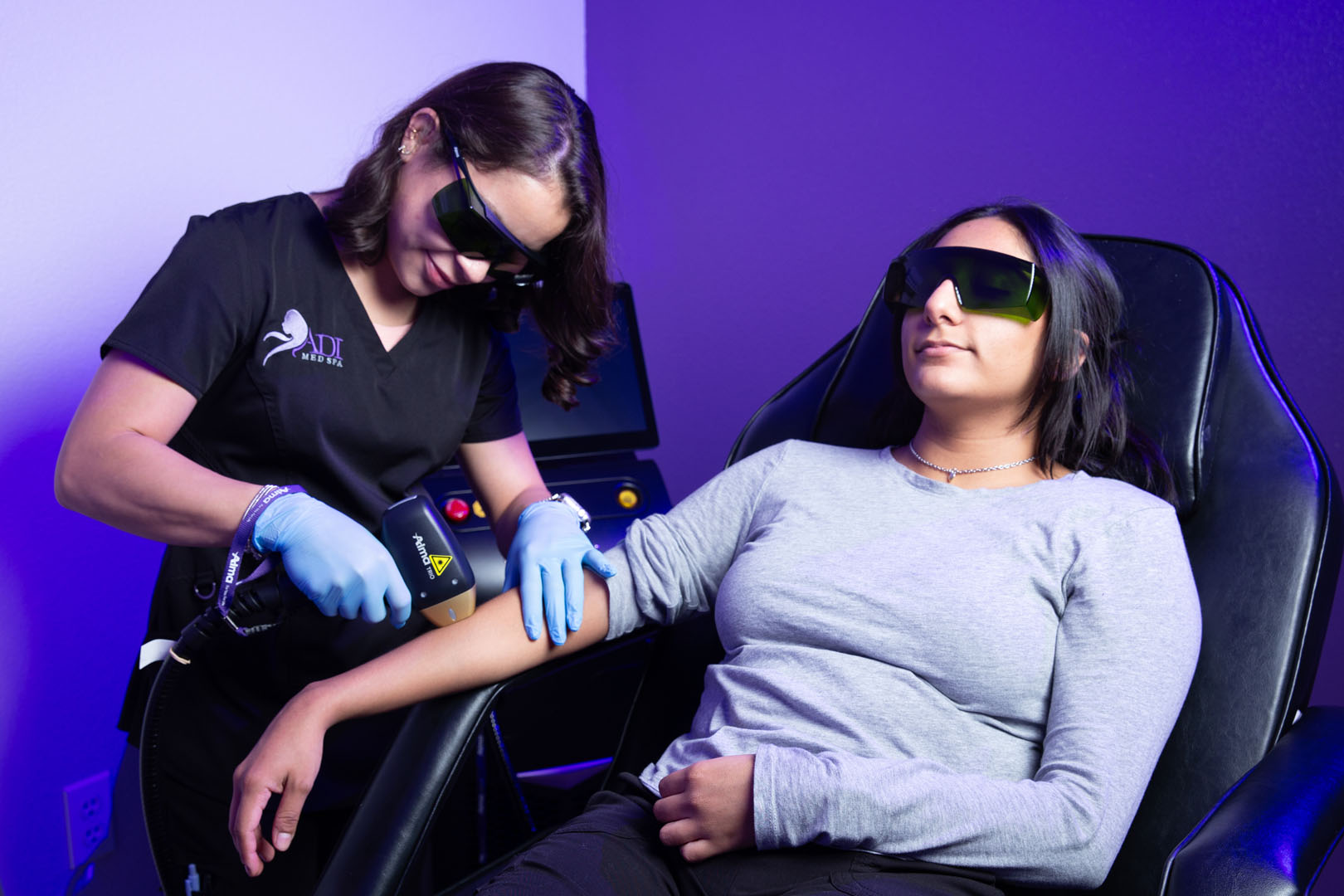
Laser hair removal uses concentrated beams of light to target the pigment in hair follicles. This process disrupts hair growth while leaving the surrounding skin largely unharmed. However, just like any medical treatment, there are possible side effects to consider. According to credible sources such as the Mayo Clinic and Cleveland Clinic, the potential for skin damage does exist, but the risk is very much linked to the experience of the practitioner and the technology employed.
What Kind of Skin Changes Are Normal After Laser Hair Removal?
After undergoing laser hair removal, you might experience temporary redness, swelling, and mild irritation similar to a sunburn. These effects are entirely normal and typically resolve within a few hours to a few days.
- Redness and Swelling: These are common and expected due to the heat generated by the laser as it targets hair follicles. Most people notice this reaction lasting for a few hours to a few days at most. Mayo Clinic
- Mild Discomfort: During treatment, many compare the sensation to a rubber band snap or a warm pinprick, which can continue to feel like slight soreness or tightness for a short period. This means the laser is interacting with the follicles appropriately rather than damaging the skin. Cleveland Clinic
What Types of True Skin Damage Are Possible?
While serious side effects are rare, they can occur in inexperienced hands or when inappropriate settings or equipment are used. Here are some potential risks:
- Burns and Blisters: Superficial burns might happen if the laser settings are not adjusted correctly for your skin type or if the device used is inappropriate. If burns do occur, they typically heal, but severe cases can lead to scarring or pigmentation changes. The American Academy of Dermatology underscores that burns and blistering are risks primarily when treatments are conducted by inexperienced operators.
- Pigment Changes: Changes in skin pigmentation, such as hyperpigmentation (dark spots) or hypopigmentation (light patches), can happen if the laser affects the melanin in the skin. This is more likely for individuals with darker skin tones or those who have tanned recently. Thankfully, such changes are typically temporary, resolving in weeks or months, but they can occasionally be permanent.
- Scarring: Scarring from laser hair removal is a rare occurrence but can happen, particularly following burns or infections. The risk is heightened for those with a history of keloid scarring.
- Skin Texture Changes: Uncommon changes in skin texture, such as slight depressions or thickening of the skin, may occur following burns.
- Infection or Herpes Flare-Ups: As the laser creates small injuries, skin infections can develop in rare cases if the area becomes contaminated. Additionally, people prone to cold sores might experience flare-ups in the treated areas, necessitating preventive medication pre-treatment.
How Common is Significant Skin Damage?
Clinical evidence consistently shows that comprehensive complications from laser hair removal are rare. For instance, research indicates that the overall incidence of side effects is low, with most reactions being minor and temporary. When conducted by trained professionals using the right equipment, the risk of burns, scarring, or permanent skin discoloration is significantly reduced.
Who is More at Risk for Skin Damage?
Certain individuals might face a higher risk of adverse effects from laser hair removal:
- Darker Skin Tones: Individuals with Fitzpatrick skin types IV–VI have a higher likelihood of pigment changes when using lasers not designed for darker skin.
- Recent Sun Exposure or Tanning: Tanned skin poses an increased risk of burns and pigment changes; hence, avoiding sun exposure before and after treatment is critical.
- Improper Laser Settings: Using devices that are not calibrated for an individual’s skin type can lead to increased chances of burns and discoloration.
- Medical History: Individuals with a history of keloid scarring or poor wound healing may be more prone to complications.
How to Minimize the Risk of Skin Damage
If you are considering laser hair removal, here are several proven strategies for minimizing risks:
- Choose a Qualified Medical Provider: It’s essential to seek treatment from a reputable medical spa, like ADI Medspa, where the procedure is supervised by a qualified physician or dermatologist who ensures FDA-cleared devices are used.
- Undergo a Skin Assessment: A thorough evaluation will help ensure the most appropriate laser type and settings are used for your skin tone and hair type.
- Avoid Sun Exposure: Protecting treated areas from sun exposure for at least a few weeks surrounding your treatments will reduce your risk of burns and pigment changes.
- Follow Pre-Treatment Instructions: Proper preparation may include shaving the area 24 hours before treatment and avoiding certain products that can sensitize the skin.
- Utilize Aftercare: After treatment, follow your provider’s advice regarding cooling the skin, moisturizing, and recognizing signs of infection.
- Inform Your Provider About Medical History: Sharing past skin conditions or sensitivities can help your provider tailor the procedure to minimize risks.
When Should You Be Concerned After a Treatment?
Post-treatment, it’s crucial to monitor the area for any abnormal reactions:
- If you experience intense pain, large blisters, or worsening redness beyond a mild sunburn reaction, contact your provider.
- Watch for signs of infection, such as yellow crusts or pus.
- New or rapidly changing pigment patches should be evaluated promptly to prevent long-term damage.
Overall Risk-Benefit View
In conclusion, laser hair removal, when performed with appropriate technology and expertise, is considered a safe and effective method for long-term hair reduction. Most side effects are minor and temporary, with serious skin damage being rare and generally preventable. As a leading provider of aesthetic treatments in El Paso, TX, ADI Medspa ensures a safe and comfortable experience for all patients seeking to enhance their beauty.
Ready to Explore Laser Hair Removal?
If you’re considering laser hair removal and want to ensure a safe and effective experience, contact ADI Medspa today. Our team of skilled professionals is here to provide personalized consultations and treatment plans tailored to your individual needs. Don’t let unwanted hair hold you back—discover the benefits of laser hair removal with us!
For more information, appointments or inquiries, feel free to visit our website ADI Medspa.